

 Natural Gas
Canada’s Industrial Growth Agenda May Increase Natural Gas Cost Risk

Canada’s push to accelerate industrial development is creating new opportunities across sectors such as LNG exports, manufacturing, critical minerals, and energy infrastructure. Federal initiatives aimed at streamlining approvals and advancing major projects are intended to strengthen economic competitiveness and improve long-term energy security.
Recent federal approval of Enbridge’s $4 billion Sunrise Expansion Program in British Columbia is one of the clearest examples of this strategy in action¹. The project will add 300 million cubic feet per day of natural gas transportation capacity to support growing industrial demand and LNG exports, highlighting how quickly infrastructure needs are evolving to keep pace with Canada’s industrial growth plans.
As large industrial projects move forward, natural gas demand is expected to grow significantly. This may tighten supply balances and increase the cost of natural gas delivered to existing consumers. For medium and large industrial users, understanding this trend will become increasingly important for budgeting and procurement strategy.
Federal Policy Is Accelerating Industrial Growth
The federal government has made industrial development a strategic priority through initiatives such as the Canada Growth Fund, the Critical Minerals Strategy, and investment tax credits designed to support industrial expansion and infrastructure investment.
The recent approval of the Sunrise Expansion Program demonstrates that natural gas infrastructure is becoming a core part of this broader industrial strategy. According to Natural Resources Canada, the Sunrise project will help ensure British Columbia has sufficient gas supply as industrial demand rises and LNG export facilities like Woodfibre LNG come online.
This is significant because it shows the federal government is not only promoting industrial growth, but also actively supporting the infrastructure needed to supply it.
Natural Gas Demand Growth Is Accelerating
The most significant source of future natural gas demand growth is LNG exports.
The Canada Energy Regulator (CER) projects Canadian LNG exports could exceed 6 Bcf/day by 2050, creating one of the largest new sources of natural gas demand in Canada². Demand growth, however, is not limited to LNG.
According to Statistics Canada, industrial natural gas consumption reached a record 4.0 billion gigajoules in 2025, representing over 76% of all natural gas deliveries in Canada. At the same time, Canadian natural gas exports to the U.S. also reached new highs in 2025.
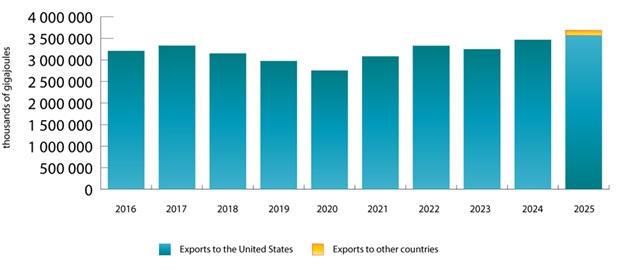
Figure 1: https://www.statcan.gc.ca/o1/en/plus/9124-natural-gas-2025-record-production-rising-consumption-and-expanding-exports
With domestic industrial demand rising, exports expanding, and new infrastructure projects being approved to support growth, Canadian gas markets may face increasing pressure to expand supply quickly enough to avoid tighter regional balances.
What This Means for Industrial Natural Gas Buyers
While infrastructure investment helps improve long-term reliability, rising industrial demand can create cost pressure for existing natural gas consumers.
As demand grows, industrial buyers may face:
- stronger regional basis pricing,
- rising transportation costs,
- greater volatility during peak periods,
- and upward pressure on delivered natural gas costs.
These risks are structural, not just cyclical.
The Sunrise Expansion approval is a reminder that market fundamentals are shifting. Major projects are moving forward, infrastructure is being built, and industrial demand is rising. These trends support economic growth, but they also change the cost outlook for industrial energy buyers.
Looking Ahead
Canada’s industrial growth agenda is creating meaningful economic opportunity, but it is also increasing natural gas demand at a scale that may reshape cost structures for industrial consumers. Recent federal approval of projects like the Sunrise Expansion Program demonstrates that natural gas infrastructure expansion is already underway to support this growth.
For industrial natural gas users, the implication is clear: as demand rises, delivered pricing may increasingly be influenced by infrastructure constraints, transportation costs, and stronger regional fundamentals.
Organizations that align procurement strategies with these changing market dynamics will be in the strongest position to manage energy costs in the years ahead.
1https://www.canada.ca/en/natural-resources-canada/news/2026/04/the-government-of-canada-approves-the-sunrise-expansion-program.html
2 https://www.cer-rec.gc.ca/en/data-analysis/canada-energy-future/2026/executive-summary/

 Aug 25, 2026